

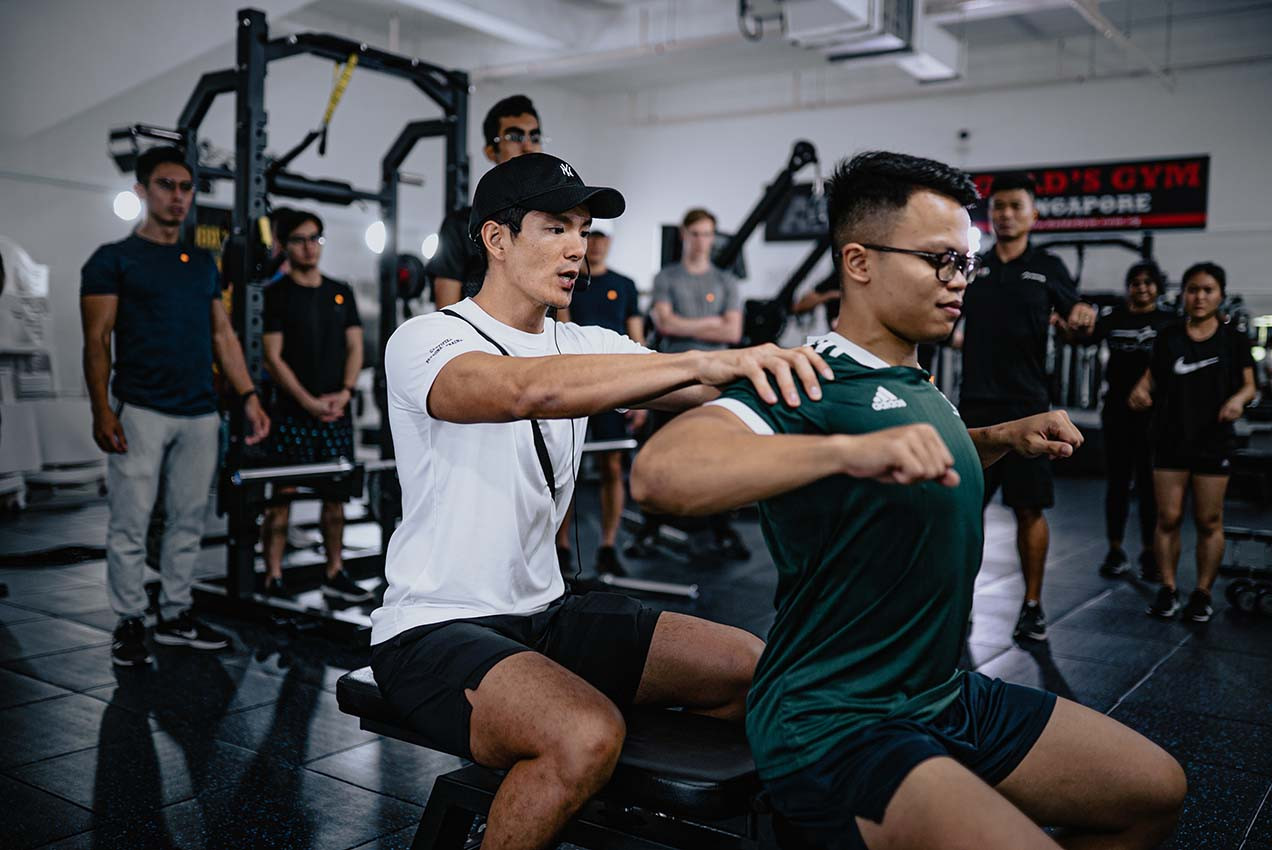
Technology has changed the way people work, travel, and communicate, and it is now transforming how we train. Fitness is no longer about guesswork or generic routines. With the rise of smart wearables and AI-driven tools, clients now have access to detailed data on heart rate, sleep, recovery, and performance. In the right setting, such as a personal training gym singapore, this technology is not used as a replacement for coaching but as an enhancement. Trainers interpret the data, personalise adjustments, and ensure clients get the best of both worlds—science-backed precision combined with human expertise.
The Role of Wearables in Modern Training
Tracking Heart Rate and Training Zones
Wearables like smartwatches and fitness trackers monitor heart rate continuously, helping clients understand their training zones. Zone-2 sessions improve endurance, while higher-intensity intervals build power. Trainers use this information to fine-tune cardio programmes that match individual goals.
Sleep and Recovery Metrics
Good sleep is essential for recovery, but busy lifestyles often interfere. Many wearables now provide sleep stage tracking and recovery scores. In a personal training gym Singapore, coaches use these insights to adjust intensity on days when clients are sleep-deprived, preventing overtraining and promoting long-term consistency.
Daily Activity Monitoring
Step counts, movement reminders, and calorie burn estimates help clients stay active beyond the gym. Trainers often set step goals or movement breaks, ensuring that fitness extends into daily routines like MRT commutes or office hours.
AI Coaching, Precision Without Guesswork
Velocity-Based Training
AI-enabled bar speed trackers measure the velocity of lifts. This allows trainers to adjust load and volume in real-time, ensuring clients lift enough to stimulate progress without compromising form.
HRV and Readiness Scores
Heart rate variability (HRV) is a strong marker of recovery and stress. AI tools now analyse HRV to provide readiness scores. Trainers interpret these scores to decide whether a client should push harder or scale back during a session.
Smart Nutrition Tracking
AI-powered apps can log meals and estimate macros. When paired with human coaching, this creates a powerful system where data accuracy meets practical meal advice. Trainers then guide clients on how to adjust diet for performance and recovery without becoming overly reliant on the app.
How Trainers Integrate Tech Without Overcomplicating
Technology is powerful, but it can overwhelm clients if not used wisely. Coaches in structured gyms introduce tools gradually, focusing on the most useful metrics first. For example, a beginner may start with step counts and sleep tracking, while an advanced trainee may use bar velocity tracking or recovery analytics. The key is balance—technology supports progress but never replaces human accountability.
Case Study, The 36-Year-Old Data Analyst
A 36-year-old client joined a personal training gym Singapore and wanted training to be as data-driven as his work. Using a smartwatch, he tracked daily activity, while his coach monitored his sleep and HRV. The trainer used bar velocity tools to optimise his strength sessions. In six months, he improved his squat by 40 percent while also reporting better focus at work due to improved sleep quality. The integration of wearables and coaching created measurable outcomes that aligned perfectly with his analytical mindset.
Benefits of Tech-Enhanced Training
-
Accuracy: Real-time feedback reduces the risk of undertraining or overtraining.
-
Motivation: Progress tracked through numbers keeps clients engaged.
-
Customisation: Every decision is based on real data, not guesswork.
-
Sustainability: Clients learn to balance stress, sleep, and training load.
Potential Pitfalls and How Coaches Address Them
-
Data Overload: Too many metrics can confuse clients. Trainers simplify the information, focusing only on what matters.
-
Inaccuracy of Consumer Devices: Not all wearables are perfectly precise, so trainers use them as guides, not absolutes.
-
Over-Reliance on Apps: AI can suggest, but it cannot account for individual emotions or real-life constraints. Coaches interpret and adjust for context.
The Human Advantage in a Tech-Driven World
While technology provides valuable insights, the human touch remains irreplaceable. A wearable cannot offer encouragement, adapt to emotional states, or hold you accountable. Gyms like TFX blend science with coaching, ensuring technology enhances rather than replaces the training experience.
FAQs
Q. Do I need expensive devices to benefit from tech-enhanced training?
Not necessarily. Even basic wearables that track heart rate and steps can provide valuable insights when combined with expert coaching.
Q. Are wearables accurate enough to guide training?
Most are reasonably accurate for trends, though not perfect. Trainers use the data as supportive information, not absolute measures.
Q. Can AI coaching replace a personal trainer?
No. AI can provide data and suggestions, but only a human trainer can understand personal context, emotions, and long-term goals.
Q. What if I am not tech-savvy?
Trainers can manage the data for you, keeping the process simple. Many clients only look at one or two key metrics at a time.
Q. Will tech make training too complicated?
When integrated properly, it makes training simpler by clarifying what works. The trainer ensures the process stays focused and practical.