

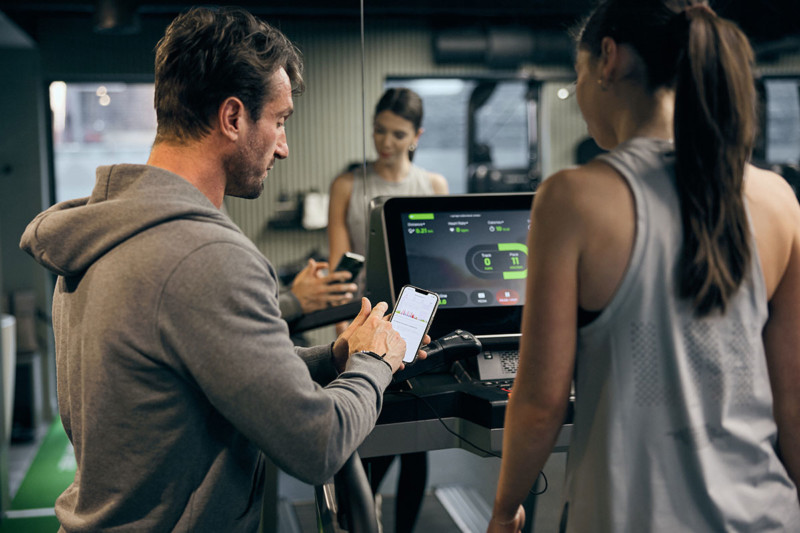
The modern fitness industry in Singapore has evolved beyond traditional training methods. Today, the integration of science, technology, and human expertise has reshaped how people train. Working with a personal gym trainer Singapore now means gaining access to science-backed programs built on data, biomechanics, and real-time analysis rather than guesswork or intuition. This evidence-based approach not only accelerates progress but also makes training safer, more efficient, and uniquely personalised.
The Shift from Conventional to Evidence-Based Training
Not long ago, fitness advice was driven mostly by experience and observation. Trainers relied on visual assessments and generic plans. Now, scientific advancements in human movement, physiology, and sports medicine allow trainers to make data-informed decisions. This evolution is especially significant in Singapore, where fitness enthusiasts value measurable results and time efficiency.
Science-based coaching uses biomechanics to analyse how your body moves, identifies inefficiencies, and then adjusts training to maximise output. It’s the difference between “working out” and “training smart.”
Understanding the Role of Biomechanics in Training
Biomechanics studies the structure and function of the human body in motion. For a personal trainer, it’s the foundation for understanding how muscles, joints, and ligaments work together. When biomechanics is applied in a gym setting, it helps in:
-
Correcting movement patterns to prevent injuries
-
Optimising posture and balance for better strength distribution
-
Enhancing performance by focusing on efficient muscle activation
For instance, two people might perform the same squat, but due to differences in hip mobility or leg length, their movement patterns vary. A trainer trained in biomechanics can identify this and adjust stance width, foot angle, and load placement to make the exercise safe and effective.
Using Data to Drive Training Decisions
Modern personal trainers rely heavily on data analytics to track and enhance progress. Wearable technology, motion sensors, and fitness apps now provide valuable information about:
-
Heart rate variability
-
Caloric expenditure
-
Sleep patterns
-
Muscle activation levels
-
Recovery scores
By interpreting this data, a trainer can determine whether you’re overtraining, under-recovering, or performing at your best. Adjustments are then made to training volume, rest intervals, and intensity to maintain steady progress. This scientific precision minimises plateaus and helps sustain long-term improvement.
The Importance of Individualised Programming
Every individual’s body responds differently to training stimuli. What works for one person may not work for another. A data-driven personal trainer creates custom routines based on:
-
Body composition analysis
-
Movement screening results
-
Lifestyle factors such as work stress and sleep quality
-
Nutritional habits
By blending these insights, your trainer builds a program that aligns perfectly with your fitness level, goals, and recovery capacity. This method ensures efficiency and measurable outcomes.
Preventing Injuries Through Movement Analysis
Injury prevention is a major focus of science-based coaching. Trainers analyse your form, range of motion, and muscle symmetry before prescribing complex movements. Through 3D movement assessments or slow-motion video analysis, trainers detect weaknesses or instability early.
For example:
-
Shoulder impingement risks are spotted during overhead movements.
-
Hip imbalances are identified during squats or lunges.
-
Weak glutes or core muscles that compromise balance are addressed before adding weights.
This proactive approach allows you to build strength safely and avoid setbacks that could derail progress.
Tracking Progress Beyond the Scale
Many gym-goers rely solely on weight to measure success, but a science-based trainer looks deeper. Key performance metrics include:
-
Strength-to-weight ratio: How efficiently you move your body weight.
-
Mobility improvement: Enhanced flexibility and joint range.
-
Muscle endurance: The ability to sustain force over time.
-
Resting heart rate reduction: Indicating improved cardiovascular fitness.
These measurable indicators provide a more accurate reflection of your progress and keep motivation high.
The Power of Technology in Personal Training
Technology is now an integral part of personal training in Singapore. Trainers use apps, smart equipment, and wearables to monitor client performance in real time. Examples include:
-
Heart rate monitors that adjust training zones automatically
-
Force plates to measure balance and power output
-
Smart scales that track fat percentage and muscle mass trends
-
Online dashboards that visualise your improvement over weeks and months
These tools make every workout session data-driven, helping both the client and trainer understand what works best for the body.
Periodisation: The Science of Training Phases
Professional trainers understand that the human body thrives on variation and recovery. Periodisation is the systematic planning of training phases designed to optimise performance over time. It includes:
-
Foundation Phase: Building basic endurance and movement control
-
Strength Phase: Developing muscular power and stability
-
Performance Phase: Maximising output and conditioning
-
Recovery Phase: Allowing adaptation and preventing burnout
This cycle-based method ensures continuous progress without overtraining. Trainers modify volume and intensity based on your data feedback, ensuring that you stay in the optimal performance zone.
Real-Time Feedback and Adaptability
One of the biggest benefits of science-based coaching is adaptability. If your wearable data shows fatigue or reduced heart rate recovery, your trainer can adjust your program instantly. Conversely, if your metrics show readiness for higher intensity, they can safely push your limits.
This real-time adjustment ensures that your workouts remain effective and aligned with your body’s condition each day.
The Role of Recovery Science
Modern trainers place equal emphasis on recovery as they do on training. Techniques such as active stretching, foam rolling, and contrast therapy are backed by evidence for muscle repair and inflammation control. Trainers also track recovery through data tools that measure:
-
Heart rate variability (HRV)
-
Rest quality
-
Muscle soreness trends
When combined with proper nutrition and sleep, recovery becomes a strategic component of long-term fitness success.
Integration of Nutrition and Data Analytics
A data-driven trainer doesn’t overlook the role of nutrition. Through body composition data, calorie tracking, and metabolism assessments, they can design a nutritional plan that complements your workout schedule. Instead of generic diets, you receive:
-
Calorie recommendations suited to your activity level
-
Macronutrient balance for energy and muscle repair
-
Timing strategies to optimise fuel intake before and after workouts
The combination of personalised training and evidence-based nutrition ensures maximum efficiency in achieving results.
Motivation Through Measurable Outcomes
When progress is backed by numbers, motivation naturally follows. Trainers present tangible metrics like strength increases, improved endurance, or reduced fat percentage. Seeing actual data validates the effort you put in and encourages consistency. This scientific transparency builds trust and accountability between trainer and client.
Moreover, facilities like True Fitness Singapore embrace this advanced approach, blending state-of-the-art equipment with expert guidance to give members measurable and sustainable fitness results.
FAQs
Q1: What makes science-based training more effective than traditional workouts?
A: It relies on real data, biomechanics, and measurable outcomes, ensuring every movement is purposeful and suited to your body’s needs.
Q2: Do I need special equipment for data-driven training?
A: Not necessarily. Trainers use common tools such as fitness trackers or apps to collect information. More advanced gyms may have motion sensors or body scanners.
Q3: Can a beginner benefit from science-based coaching?
A: Yes. Trainers use scientific assessments to tailor exercises to your current level, reducing the risk of injury while building a strong foundation.
Q4: How do trainers interpret biomechanical data?
A: They study joint angles, range of motion, and force output to correct form, optimise movement, and maximise efficiency during workouts.
Q5: What role does data play in preventing overtraining?
A: Metrics like heart rate variability and fatigue scores help trainers know when your body needs rest, preventing burnout and ensuring long-term progress.
Q6: Is data-driven training suitable for people with medical conditions?
A: Absolutely. Trainers can customise routines using medical and physiological data to ensure safety and gradual improvement.
Q7: How often should data assessments be done?
A: Typically, every 4 to 6 weeks to track changes and adjust training plans accordingly.
This article highlights how science, data, and biomechanics combine to create a smarter and more effective way to train with a personal gym trainer in Singapore, offering precision, safety, and measurable progress for every fitness level.