

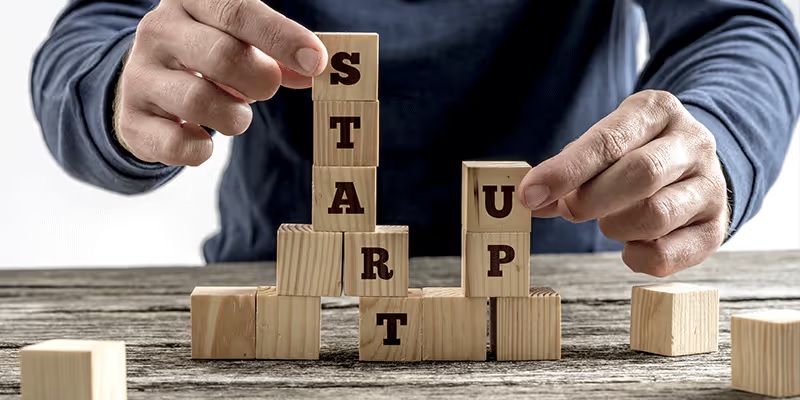
Starting something new can feel intimidating, especially when the vocabulary is unfamiliar. Many first-time investors approach a Silver ETF with a mixture of curiosity and caution, and they may wonder how the Tata silver ETF share price fits into their financial picture. This roadmap breaks the journey into manageable stages, so that your first purchase feels deliberate rather than rushed.
Stage One: Clarify Your Purpose
What are you looking to achieve by investing in this? Maybe you’re looking to create a diversified portfolio, gain access to industrial growth and have a small portion of your money invested in something like this. Also think about how long you’ll be investing for. This is quite a volatile white metal so you’ll want to have some money to leave invested for a few years.
Take a moment to write a sentence or two as to why you are investing. This will help stop you from making any rash decisions based on the headlines.
Stage 2 – Get Your Basics Sorted
Before you start investing in any volatile assets, it’s important to have your basics covered. You should have an emergency fund that covers a few months of spendings. You should also have sufficient health/term insurance and any high interest debt paid off. Usually this will give a better guaranteed return than investing in the market.
Once you’ve got everything covered you can then invest any extra money as a satellite portion.
Stage 3 – Set Up Your Account
You will need to set up a Demat account, trading account (with a registered broker) and bank account. You will need to complete your KYC. This can take a few days so start early. When looking at different brokers, look at the charges. If you’re going to be investing small amounts every month, compare brokers.
Add a nominee when setting up. This is an easy step to save your family any hassle.
Stage 4 – Do Your Research
Not all funds are created equal. Look at a few funds. Look at:
The expense ratio. The lower this is, the more of your returns you’ll get to keep.
The tracking error. The smaller this is, the closer your fund will be tracking the metal.
Liquidity. Look at the average daily volume and the bid/ask spread.
The fund house. Look at their history and who the custodian is.
Read the factsheet. Look at the latest monthly factsheet to see what they hold and their costs.
If you don’t want to set up a demat account, there are some mutual funds available that invest in listed units. These take a little extra cost but you can invest monthly through your bank.
Stage 5 – How Much To Invest
Invest a small amount. A few % of your investable savings would be a good starting point for most people. However depending on your circumstances you may want to invest more or less. Invest a small amount every month to reduce the chance of investing at a high point and to instill discipline.
Place a limit order. This will ensure you know what the maximum price you’ll pay. Make sure you know how much you’re investing and at what price. Keep your contract note.
Stage 6 – Don’t Get Obsessed
Don’t check the price every hour as this can cause you stress and make you make bad decisions. Check your investment every month/quarter. Occasionally look at the factsheet. Once a year look at how the fund has performed against the domestic metal. If you’ve strayed far from your desired allocation, rebalance.
Stage 7 – Taxation
This will be taxed depending on how long you’ve held it for. The rules have changed recently in the Union Budgets. Make sure you know the latest rules by looking at official guidance or a chartered accountant. Keep track of all your transactions in a well organised folder. Each time you invest you will have a different purchase date.
Getting Started
Don’t worry about investing a large amount straight away. Just make sure you are investing thoughtfully, affordably and regularly. Follow the stages above. If you have any queries, ask questions. If you have a complicated situation, speak to a SEBI registered adviser. The more you invest the less you’ll be worried. Every little step will build up to creating a more robust and diverse future.