

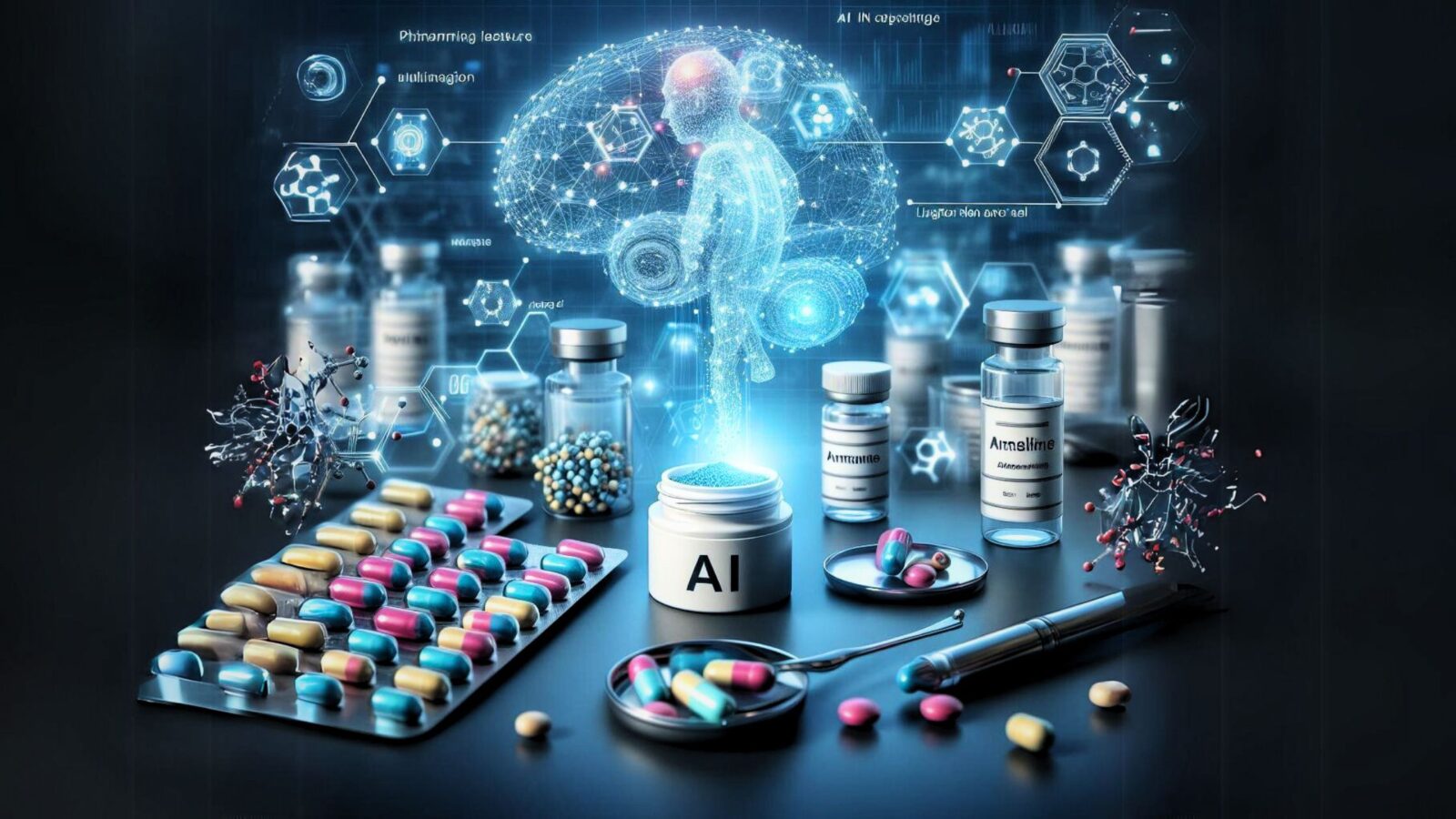
Pharmaceutical manufacturing has always depended on precision, consistency, and rigorous process control. As production environments become more sophisticated and data volumes continue to grow, artificial intelligence is helping manufacturers manage complexity more effectively. Rather than serving as a replacement for established processes, AI is becoming a practical tool for improving operational performance and supporting higher levels of reliability across the industry.
Its value lies in the ability to transform large amounts of information into actionable insights. In facilities where even small deviations can affect quality, efficiency, or compliance, access to better information can significantly improve decision-making and process control.
Using Data to Improve Manufacturing Performance
Every pharmaceutical production facility operates within a carefully controlled environment. Variables such as temperature, humidity, equipment performance, and raw material characteristics must remain within defined parameters to ensure product consistency.
Managing these factors becomes increasingly difficult as production systems grow more complex. AI helps by continuously analyzing operational data and identifying patterns that may indicate emerging issues or opportunities for improvement. Instead of relying solely on periodic reviews or manual monitoring, teams gain access to real-time intelligence that supports faster and more informed responses.
This enhanced visibility helps manufacturers maintain tighter process control while reducing the likelihood of unexpected variability.
Creating More Adaptive Production Environments
One of the key advantages of artificial intelligence is its ability to learn from ongoing operations. Traditional automated systems typically perform tasks according to predetermined instructions. AI-driven systems, however, can evaluate new data and adjust recommendations as conditions evolve.
This capability allows manufacturers to optimize production processes more effectively. Small adjustments can be identified and implemented based on actual operating conditions rather than static assumptions. Over time, these refinements contribute to improved efficiency, reduced waste, and more consistent manufacturing outcomes.
Predictive maintenance is another area where AI is delivering measurable benefits. By monitoring equipment behavior and recognizing subtle performance changes, AI can help identify potential problems before they affect production. This allows maintenance teams to plan interventions more strategically and avoid costly disruptions.
Strengthening Supply Chain Decision-Making
Beyond the production floor, AI is helping pharmaceutical organizations improve visibility throughout their supply chains. Demand fluctuations, supplier performance, transportation constraints, and inventory requirements all influence manufacturing success.
Advanced analytics tools can evaluate both historical and current data to support more accurate forecasting and planning. These insights help organizations anticipate potential shortages, manage inventory more efficiently, and respond more effectively to changing market conditions.
In an industry where product availability is critical, stronger supply chain intelligence can improve both operational performance and business resilience.
Supporting Compliance Through Better Information Management
Regulatory compliance remains a fundamental requirement within pharmaceutical manufacturing. Every stage of production must be documented, traceable, and capable of withstanding regulatory review.
AI technologies can help streamline these responsibilities by improving how information is processed and managed. Natural language processing tools can assist with interpreting regulatory documents, while advanced data systems provide greater transparency throughout manufacturing operations. Together, these capabilities support more efficient recordkeeping, improved traceability, and stronger audit preparedness.
By helping organizations manage increasingly complex documentation requirements, AI enables innovation without compromising compliance standards.
A Foundation for Future Manufacturing Excellence
As pharmaceutical manufacturing continues to evolve, artificial intelligence is becoming an increasingly important part of operational strategy. Its greatest contribution may not be automation itself, but the ability to provide clearer visibility, more accurate predictions, and stronger decision support throughout the manufacturing process.
Organizations that successfully integrate AI into their operations are positioning themselves to improve efficiency, strengthen quality control, and build more resilient production environments. In an industry where precision is essential, these capabilities will play an important role in supporting the future of pharmaceutical manufacturing and the development of life-changing therapies.
For additional insight into how AI is redefining standards in pharmaceutical production, explore the visual guide accompanying this article from Advanced Technology Services, a provider of industrial preventive maintenance services.